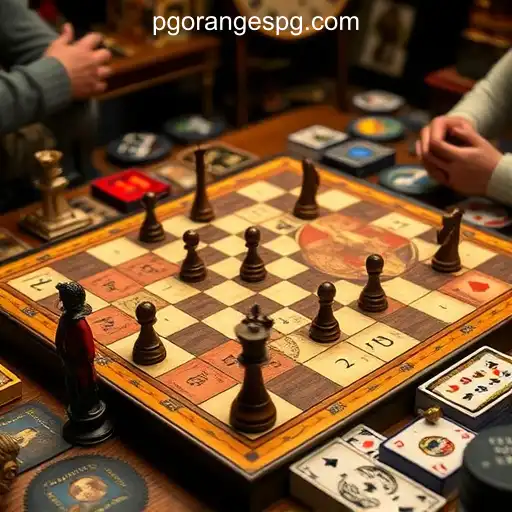


Card Games: A Fascinating Journey Through Time and Culture
Introduction to Card Games
Card games have been an essential part of entertainment and social interaction across cultures and ages. These games range from simple ones with fewer rules to complex ones that require deep strategy and skill. The appeal of card games transcends generations, making them an enduring element of human culture.
The Evolution of Card Games
The history of card games is rich and varied, dating back several centuries. It is widely believed that the first playing cards originated in China during the Tang dynasty. They eventually made their way through the Silk Road to the Islamic world and Europe, where they underwent significant evolution.
Card Games in Europe
In Europe, card games became a popular form of entertainment among the elite before gradually spreading to the masses. The standard 52-card deck, consisting of four suits, emerged during the late 15th century in France. Each suit—hearts, diamonds, clubs, and spades—has its symbolism and history.
Modern Card Games
Since their inception, card games have diversified into various forms, ranging from the traditional to modern adaptations that include card mechanics in video games. With the advent of technology, card games have recently found a new home online.
Impact of Technology on Card Games
The digital age has transformed how we engage with card games. Online platforms now offer a variety of card games, ranging from classic ones like poker and blackjack to new and innovative games. One such example is the OrangesPG platform-online Slots Brasil #1, which has gained immense popularity for bringing the excitement of gambling and card games online.
The OrangesPG platform allows players to experience traditional card games and online slots with ease. By incorporating modern design and technology, these digital platforms have made card games more accessible to a global audience.
Popular Card Games
Poker
Poker is arguably the most well-known card game worldwide. It involves gambling, strategy, and skill, making it a favorite among professional and casual players. Poker tournaments are a significant part of the game's culture, drawing participants and viewers alike.
Bridge
Bridge is a trick-taking game played with a standard deck. It requires a deep understanding of the rules and exceptional partnership skills. Bridge has enthusiasts worldwide and is often played in clubs and at competitive events.
Blackjack
Blackjack is a banking game popular in casinos. The players’ main goal is to beat the dealer's hand without exceeding 21 points. The simplicity of its rules and the excitement of the game make it a perennial favorite.
Solitaire
For those who prefer solo play, solitaire offers a variety of challenges. The game requires logical thinking and patience and comes in numerous variations, such as the highly popular Klondike.
The Social Aspect of Card Games
Beyond the rules and strategies, card games are a social activity. They bring people together, providing a platform for interaction and communication. Whether played at a family gathering, a party, or online, card games offer entertainment and connection.
The Cultural Significance of Card Games
Card games are deeply interwoven into the cultural fabric of many societies. They often reflect the beliefs, customs, and societal structures of the regions they originate from or are popular in. From European tarot cards used for divination to the professional poker tournaments in Las Vegas, card games hold a mirror to the cultures that play them.
Conclusion
Card games continue to captivate and entertain, transcending cultural and generational barriers. As they adapt and evolve, platforms such as the OrangesPG platform-online Slots Brasil #1 demonstrate the enduring appeal and endless possibilities of card games in the digital age.