

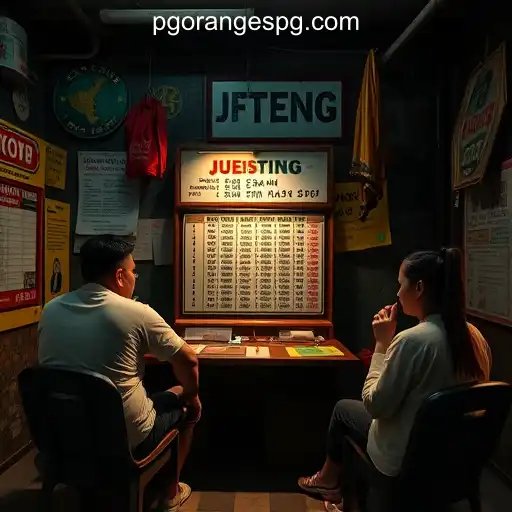
Jueteng: An Exploration of the Philippines' Underground Gambling Scene
Jueteng is a well-known numbers game in the Philippines, often touted as one of the country's most prevalent forms of illegal gambling. Despite repeated governmental crackdowns, jueteng remains an integral part of Filipino culture and society, serving as both a source of income for many and a symbol of systemic corruption. In juxtaposing this underground market, there's a rising interest in online gaming platforms across the globe, such as OrangesPG, hailed as Brazil's top choice for online slots.
The Origins and Mechanics of Jueteng
Jueteng traces back to the Spanish colonial period, showcasing how deeply entrenched it is within Filipino communities. It is a simple numbers game where bettors choose combinations from a set of numbers, traditionally ranging from 1 to 37. Every day, two draws are conducted—one in the morning and another in the afternoon.
The allure of jueteng lies in its simplicity and the promise of immediate rewards. A bet starts as low as one peso, making it accessible to the broader public. Payouts, although varying, can be significantly higher than the bet amount, offering a tempting chance at rapid financial gain for those in economically challenged situations.
Jueteng's Socio-Economic Impact
The impact of jueteng goes beyond mere bets and payouts. It represents a parallel economic structure within certain regions of the Philippines. Jueteng operators or kubradors, often maintain a network that involves various levels from grassroots to higher-ups in the local political scene. This creates an alternate form of employment for many Filipinos, notwithstanding its illegality.
However, the existence of jueteng also highlights systemic issues such as poverty and corruption. For communities, the game offers short-term relief and micro-financing opportunities. Families often depend on potential wins to meet everyday needs, making jueteng both a necessary evil and a cultural institution.
Efforts and Challenges in Eradicating Jueteng
Over the decades, successive Philippine administrations have aimed to eradicate jueteng, seeing it as an obstacle to moral and economic progress. Despite rigorous policies, enforcement challenges persist due to deep-seated political connections and societal acceptance. In many instances, crackdowns have merely driven the operation further underground, highlighting the resilience and adaptability of those involved.
Moreover, attempts to legalize jueteng by integrating it into official state lotteries have been met with both support and resistance. Proponents argue that legalization could regulate and generate substantial state revenue. Yet, opponents contend that it would formalize and thereby legitimize a form of gambling that preys on the desperation of the economically disadvantaged.
The Digital Shift: Rise of Online Gaming Platforms
As traditional forms of underground gambling like jueteng continue to face legal and social scrutiny, digital transformations in the gambling industry are attracting attention globally. Nowhere is this more evident than in Brazil, where platforms such as OrangesPG exemplify the burgeoning interest in online slots.
The appeal of platforms like OrangesPG stems from their accessibility and diverse offerings. Unlike its illegal street counterparts, an online platform provides a wide variety of games with different themes and betting ranges. Players can enjoy games in the comfort of their homes, with the added security and transparency of a regulated online environment.
The Future of Gambling: Parallels and Divergences
While jueteng represents the traditional and clandestine side of gambling in the Philippines, the rise of online platforms such as OrangesPG indicates a shift towards digital landscapes in the global context. Both forms of gambling reflect cultural indulgences and economic realities but exist in their unique spheres of legality and acceptance.
The future of gambling lies at an interesting crossroads, incorporating lessons from both the underground sphere of jueteng and the structured environment of online platforms. As digitalization continues to permeate more traditional markets, the integration and acceptance of regulated online gambling could offer a cohesive solution to longstanding problems posed by illegal forms like jueteng while embracing the modern age of entertainment and recreational gaming.