
The Evolution of Tabletop Games: A Journey Through Time
Tabletop games are an extraordinary tapestry woven from the threads of history, culture, and imagination. These games have evolved over centuries, adapting to the needs and desires of players while maintaining certain core elements that continue to inspire joy and camaraderie. As we explore the fascinating journey of tabletop games, we can appreciate not only their historical significance but also their modern-day integration with platforms like OrangesPG, which includes online Slots Brasil #1.
The Origins of Tabletop Games
The history of tabletop games dates back to ancient times. Archaeologists have uncovered numerous artifacts suggesting the existence of such games in ancient Egypt, Mesopotamia, and China. These early games were often based on strategy and luck, laying the foundation for the vast array of games we enjoy today. Centuries later, the Roman Empire popularized games like Ludus Latrunculorum, a precursor to modern abstract strategy games.
The Middle Ages to the Renaissance
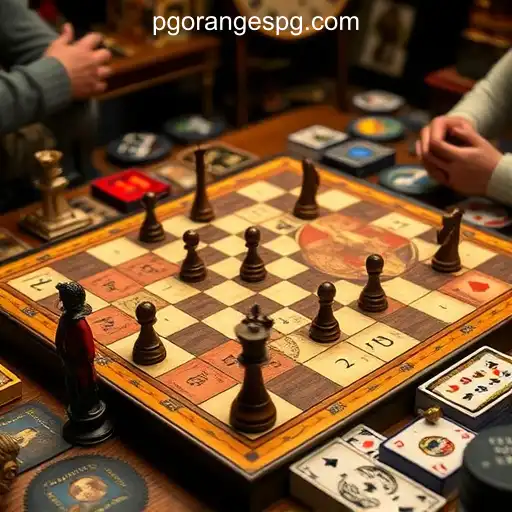
Fast forward to the Middle Ages, where games like chess and checkers began to solidify their popularity across Europe. Chess, in particular, gained prominence as a game of strategy and intelligence. The Renaissance period, characterized by a resurgence in art, science, and culture, also saw a refinement in game design and complexity. It was during this era that playing cards became widespread, adding a new dimension to the tabletop gaming experience.
The Industrial Revolution and Mass Production
The Industrial Revolution marked a pivotal moment in the history of tabletop games. The advent of mass production allowed for the widespread distribution of games, making them accessible to the general populace. Classic games such as Monopoly, which debuted in the early 20th century, capitalized on these advancements, becoming household staples worldwide. This era laid the groundwork for the concept of family game nights, fostering communal bonding and leisure.
The Modern Revival
The late 20th century witnessed a resurgence in the popularity of tabletop games, fueled by a renewed interest in strategic and role-playing games. The introduction of Dungeons & Dragons in the 1970s revolutionized the idea of storytelling within games, engaging players in immersive narratives and complex character development. This era also gave rise to the development of eurogames, with titles like Settlers of Catan, emphasizing strategic thinking, resource management, and player interaction.
Digital Integration and Platforms
The 21st century has seen a seamless blend of traditional tabletop games with digital platforms. Online platforms like OrangesPG have emerged, offering unique opportunities for players to engage with their favorite games in virtual spaces. OrangesPG specifically caters to diverse gaming audiences, linking traditional gameplay elements with online slots within its platform, particularly appealing in regions such as Brasil, which have a rich gaming culture.
Innovations in Game Design
Recent innovations in game design have further expanded the possibilities of tabletop games. Mechanics involving cooperation, real-time gameplay, and hybrid physical-digital experiences exemplify the creativity and ambition of modern game designers. Games are no longer restricted to the confines of the physical board or table. Instead, digital components can enhance the storytelling, interactivity, and overall engagement, ensuring that tabletop games remain both relevant and innovative.
Community and Cultural Impact
Tabletop games create and reflect cultural narratives, allowing individuals to come together and share stories, strategies, and experiences. Gaming events and conventions, such as Gen Con and Essen Spiel, celebrate this common passion, showcasing the latest developments and encouraging global participation. These games also have the power to bridge generational gaps, creating shared experiences between young and old alike.
The Role of Platforms like OrangesPG
In the modern digital age, platforms like OrangesPG illustrate the evolution of tabletop gaming by integrating traditional and digital experiences. The platform offers a gateway for those who seek both classic and contemporary gaming experiences, proving that the spirit of tabletop gaming thrives in both nostalgic and innovative contexts. With features like online Slots Brasil #1, it stands as a testament to the adaptability and enduring appeal of these games.
Conclusion
Although this narrative does not contain a conclusion by your request, the journey through the evolution of tabletop games highlights their profound ability to adapt and flourish amidst changing technological and cultural landscapes. The integration of digital elements through platforms like OrangesPG demonstrates their resilience and continued relevance in today's fast-paced world. As we anticipate the future of tabletop games, it is evident that their spirit will continue to inspire creativity, strategic thought, and community across generations.